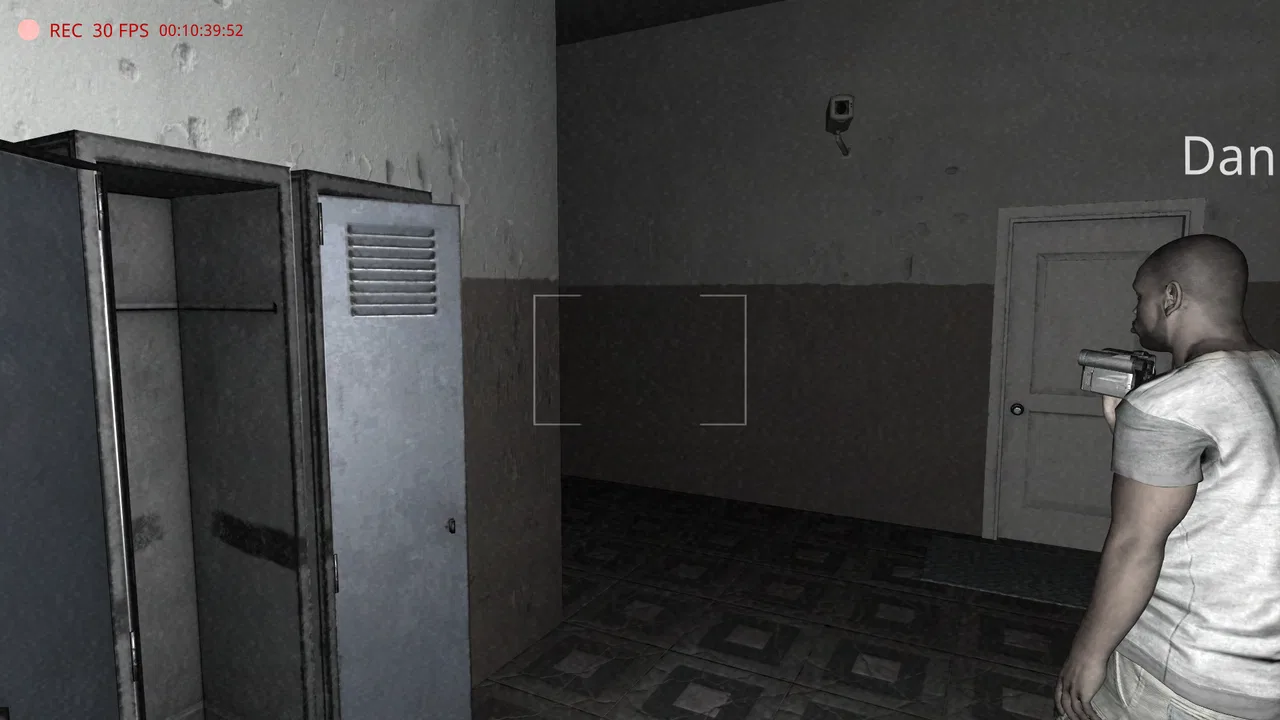
The Ghost - Multiplayer Horror
- 3.9
- Rating
- 10.00M
- Installs
- Free
- Price

 Analysis by App-foxy
I approached The Ghost - Multiplayer Horror expecting a quick scare and found a game that makes cooperation feel just as important as horror. Developed by Gameplier, this free action game is built around surviving frightening situations with friends rather than simply watching a scripted story unfold. That difference matters: the best moments come from trying to stay calm while communicating, deciding where to go, and working out what to do next when the environment becomes confusing.
It is available for Android devices running at least Android 5.1, and its Teen content rating is a useful warning for families deciding who should play. The game has reached over ten million installs and holds a 4.0 average from around 150 thousand ratings, so it is clearly not a niche experiment. I still would not recommend it to everyone. If you want a quiet solo game with a carefully paced narrative, this is probably the wrong direction. If you enjoy playing with friends and turning uncertainty into shared problem-solving, it is much easier to appreciate.
What to expect before your first match
The central appeal is simple to understand: you and your friends enter a horror scenario, try to survive, and rely on one another while the game keeps you under pressure. The store summary describes it as a co-op survival horror game, but that short phrase does not fully explain why the multiplayer format changes the mood. A frightening sound is one thing when you experience it alone; it becomes something else when everyone starts talking at once and nobody is quite sure whether the group should hide, move, or investigate.
You May Also Like

 Blood Strike: 2.5 Anniversary
Blood Strike’s Loadouts Turn Every Drop Into a Tactical Gamble
A close look at Blood Strike’s custom loadouts: how fast access to signature weapons reshapes its battle royale rhythm, rewards preparation, and narrows the gap between fights.

 Pandora - Music & Podcasts
Pandora’s Music Is Easy to Start, but Harder to Recover
Pandora’s strength is its low-effort path from a seed to a station. Its weak spot is how much confidence it asks you to place in connection, setup, and quiet recovery.

 8 Ball Pool
 Is Built on Rivalries, Rematches, and Routine
A close look at the rivalries, rematches, shared routines, and unanswered safety questions that turn a quick pool match into a persistent mobile community.

 Samsung Music
’s Quiet Strength Is Playing What You Already Own
Its reach comes less from spectacle than from dependable access to a personal library. That simplicity is both the app’s strongest retention engine and its ceiling.

 AccuWeather: Weather Radar
AccuWeather Review: A Quick, Clear Forecast for Everyday Decisions
For everyday plans, the best forecast is the one you can understand quickly. AccuWeather makes rain timing, radar, and local conditions easy to act on, with a few trade-offs.

 Hill Climb Racing
Why Hill Climb Racing Still Turns Crashes Into One More Run
A tiny car, a bumpy hill and one more upgrade: Hill Climb Racing keeps resurfacing because its simple chaos makes every near-miss feel personal.
More From Our News Desk



I found the game most enjoyable when treated as a social experience rather than a traditional action campaign. The tension is shared, mistakes become memorable stories, and even a failed attempt can be entertaining if the group communicates well. That also means the quality of your session depends heavily on the people you play with. A patient group that explains decisions will make the opening feel approachable. A group that rushes ahead or ignores new players can make the same game feel needlessly frustrating.
The controls and objectives are easier to understand once you are moving through a match, but the horror atmosphere can make basic decisions feel more complicated than they really are. My advice is to resist the urge to sprint around immediately. Take a moment to notice the surroundings, learn how your character responds, and listen to what your teammates are saying. In a survival game, information is often more valuable than speed, especially during the first few minutes when you are still learning the situation.
Because it is free to download, the initial barrier is low. However, in-app purchases range from $0.99 to $99.99 per item, so I would approach optional spending carefully. I would first decide whether the multiplayer loop genuinely suits you before buying anything. A free entry point is useful for testing the experience, but it does not automatically mean that every later purchase is necessary for enjoying the core game.
Why the multiplayer format changes the horror
Many horror games depend on isolation. Here, the presence of other players creates a different kind of fear: you may feel safer because someone is nearby, yet the group can also become disorganized at exactly the wrong moment. I liked that tension because it gives ordinary choices more weight. Staying together may feel sensible, but following everyone without understanding the plan can leave the entire team reacting too late.
A practical way to play is to give each person a simple responsibility during a match. One player can pay attention to the route, another can watch what is happening around the group, and another can keep communication clear when panic starts. I am not presenting this as a formal class system; it is simply a useful habit. The game becomes less chaotic when everyone knows what information they are trying to notice.
This is also where the title compares favorably with more conventional action games. In a standard action game, success often comes from mastering attacks or memorizing enemy patterns. In this one, success feels more dependent on awareness, timing, and group decisions. That makes it a good choice for friends who enjoy discussing what went wrong after a round. It is less suitable for someone who wants constant combat and immediate control over every outcome.
Getting through setup without unnecessary confusion
My recommendation for a first session is to install the game on the device you actually plan to use for multiplayer, then open it when you have enough time for a complete attempt rather than testing it during a rushed break. Horror games lose much of their effect when played while multitasking, and cooperative games become harder when you are trying to learn controls while answering messages or switching between apps.
Before inviting a large group, start with one or two friends who are willing to slow down. The first meaningful goal should not be to prove that you are fearless. It should be to understand how the team moves, how players communicate, and what the game expects you to notice. A smaller group makes it easier to ask questions without feeling that you are holding everyone back.
I also suggest agreeing on a basic communication style before starting. Decide that short, specific callouts are better than everyone speaking continuously. “Stay together,” “I found a route,” or “wait a moment” is more useful than a long explanation delivered while the group is already moving. This small preparation is one of the most effective ways to make the opening feel reassuring instead of chaotic.
The current version is 1.85.10, which is the version I would look for when checking that the installed copy is up to date. I would also make sure the phone has enough free space and that the connection is stable before starting a cooperative session. Those are ordinary precautions, but they matter more here than in a purely offline game because interruptions affect everyone in the group.
There is no reason to spend money during setup. Play enough to understand whether the atmosphere, pace, and teamwork appeal to you. The presence of purchases does not make them the first step, and buying something before you know how the game feels can make it harder to judge the experience fairly. For a first-time player, learning the basic loop is more valuable than changing the way the game looks or feels.
A simple plan for the opening minutes
Once the session begins, I would use this sequence: stay near the group, observe before committing to a direction, communicate discoveries immediately, and avoid separating just because one path looks interesting. This is not about playing timidly. It is about building a mental map of how the game presents information. When you understand what counts as a useful clue, later decisions become faster and less stressful.
One non-obvious advantage of this approach is that it reveals which teammate is naturally good at spotting details and which person is better at keeping the group organized. You can then adjust roles in later attempts instead of repeating the same confusion. A player who is not confident with horror games may still be excellent at remembering routes or noticing changes in the environment.
Another useful habit is to treat the first attempt as a reconnaissance run. If the group fails, do not immediately label the session a waste. Talk briefly about the last clear decision everyone made and identify the moment when the team lost track of its plan. That conversation turns a scary failure into practical knowledge for the next round, which is one reason the game works well with friends who enjoy learning together.
Your first meaningful success
For a new player, success should mean more than surviving by luck. I would count the first session as productive if your group manages to move with a shared plan, recognizes danger before the final second, and finishes with a clear idea of what to try next. That definition takes pressure off the opening match and helps you notice progress even when the result is not perfect.
The most reliable path is to communicate early rather than waiting until something frightening happens. Tell the group when you see a possible route, when you are unsure, and when you think the team is becoming separated. In cooperative horror, silence often creates more trouble than a wrong guess because other players cannot tell whether you are investigating, stuck, or in danger.
When the group reaches a difficult moment, choose one speaker. Everyone can contribute information, but one person should summarize the immediate plan. This is a surprisingly effective technique in mobile multiplayer games, where a crowded conversation can make small sounds and visual details harder to interpret. It also helps first-time players feel included because they know what the team is doing instead of having to follow blindly.
Do not measure your ability by how quickly experienced friends move. A player who knows the environment will naturally appear more confident, but copying their pace without understanding the reason behind it can create avoidable mistakes. Ask them to explain the decision after the danger has passed. That turns their experience into something you can use instead of making you dependent on their directions.
I also recommend changing only one habit at a time. If the first attempt went badly because everyone split up, stay together in the next attempt. If the problem was constant talking, appoint a clear caller. If the group rushed into unfamiliar areas, pause and observe. Small adjustments make it easier to identify what actually improved the result.
How to make sessions work in everyday life
A realistic use case is a short evening session with friends who are in different places. Rather than promising a long gaming night, agree to play until the group completes one focused attempt, then decide whether everyone wants another. This keeps the game from becoming a commitment and makes it easier for people with limited time to join.
It also works well as a casual group activity after a voice chat has already started. The game gives the conversation something immediate to react to, while the shared scares provide natural breaks between ordinary discussion. I would not choose it for a quiet commute or a situation where you need to remain fully focused on your surroundings. The atmosphere and cooperative demands are better suited to a deliberate play session.
For younger players, the Teen rating should be taken seriously rather than treated as a minor label. Parents should consider the horror tone and the social nature of playing with others before allowing access. The same advice applies to anyone who dislikes sudden tension: watching friends play may be more comfortable than controlling the character yourself, but the game is designed around participation, not passive viewing.
Common confusion and the limits of the experience
The first major source of confusion is assuming that the game will explain every important decision immediately. It is more enjoyable when you accept that some understanding comes from observation and repeated attempts. That can be rewarding, but it is also a weakness for players who prefer clear objectives, extensive tutorials, or a strong story guiding every step.
The second issue is the difference between being near teammates and actually cooperating. A group can occupy the same area while still playing badly if nobody shares information. If your friends keep running ahead, interrupt one another, or treat every situation as a race, the game may feel unfairly difficult. In that case, the problem is not necessarily your controls; the team needs a clearer plan.
Another limitation is replay fatigue. The social tension can keep familiar situations entertaining for a while, especially when the group is still learning. Over time, however, players who demand constant novelty may want a larger variety of objectives or a more elaborate solo progression system. This is where a story-focused horror alternative may be better, particularly if you usually play alone and want carefully controlled pacing.
Performance and connection are also worth considering without turning them into the whole review. Cooperative horror depends on everyone receiving information at roughly the right time. If your device struggles or your connection is unreliable, the tension can become irritation. I would test a short session before organizing a regular group night, especially if several players are using older phones.
The in-app purchase range is another reason to keep expectations realistic. The game is free, but optional items can become expensive at the upper end of the range. I would set a personal spending limit before browsing purchases and avoid assuming that a paid item will solve a skill or teamwork problem. Better communication and familiarity with the game are usually more valuable for a new player than spending immediately.
Finally, the title is not the best fit for every kind of action fan. If your favorite part of the genre is fast combat, elaborate character progression, or playing competitively against strangers, you may find the survival-horror structure too dependent on atmosphere and cooperation. I would choose it for shared tension and problem-solving, not as a replacement for a conventional action game.
What to do after the first successful attempt
Once your group has completed a meaningful objective or simply handled a difficult sequence better than before, take a moment to identify why it worked. Did everyone stay close? Did one player communicate clearly? Did you wait before entering an uncertain area? Naming the successful behavior makes it easier to repeat and prevents the next session from becoming random trial and error.
At this stage, try rotating responsibilities. Let the quiet player lead one decision, allow the route-focused player to explain what they noticed, and give the most experienced teammate a chance to support rather than control the entire group. This creates a healthier multiplayer rhythm and helps everyone develop a reason to keep playing.
You can also make sessions more interesting by setting non-monetary goals. Try to improve communication, finish an attempt without unnecessary separation, or guide a newcomer through the opening. These goals add structure without requiring purchases, and they are especially useful when the group has already learned the basic surprise of the game.
If you are deciding whether to keep it installed, ask yourself what kind of memory your last session created. If you remember a tense escape, a funny misunderstanding, or a clever team decision, the game is doing something valuable for you. If you mainly remember waiting for friends, struggling with connection, or feeling lost without guidance, another horror game may serve you better.
My final view is positive but specific. The Ghost - Multiplayer Horror is worth trying if you have friends who enjoy communicating under pressure and laughing at failed attempts. Its free entry point makes that test easy, while the 4.0 average and broad install base suggest that many players find the formula approachable enough to return to. I would begin without spending, use a small cooperative group, and treat the first attempt as learning rather than a performance test.
Gameplier has made a game that gets its strongest results from shared uncertainty. It is not the most suitable choice for a solitary, story-heavy horror session, and its dependence on teamwork can expose weaknesses that another action game would hide. But when the group stays patient, speaks clearly, and learns from each mistake, the first successful action feels earned. That is the reason I would recommend giving it a careful trial to a friend who wants horror to be something we experience together rather than alone.
FAQs for The Ghost - Multiplayer Horror
01Is 'The Ghost - Multiplayer Horror' free to play?
Yes, 'The Ghost - Multiplayer Horror' is free to download and play on both Android and iOS platforms. However, the game does include in-app purchases. These can enhance gameplay by providing additional features or items, but they are entirely optional. Players can enjoy the core experience without spending money.
02What is the main objective of 'The Ghost - Multiplayer Horror'?
In 'The Ghost - Multiplayer Horror', players find themselves trapped in a haunted location. The primary goal is to escape by solving puzzles and evading the ghost. The game emphasizes teamwork, as players must collaborate to uncover clues and find a way out before the ghost catches them.
03Can I play 'The Ghost - Multiplayer Horror' offline?
No, 'The Ghost - Multiplayer Horror' requires an internet connection to play. As a multiplayer game, it relies on online connectivity to allow players to team up with friends or other players worldwide. To ensure a smooth gaming experience, a stable internet connection is recommended.
04Is 'The Ghost - Multiplayer Horror' suitable for all ages?
The game is designed for a mature audience, given its horror theme and potentially frightening content. It may not be suitable for younger players or those easily scared. Parents should consider the game’s content and themes before allowing children to play, as it features tense and eerie situations.
05What are the device requirements for 'The Ghost - Multiplayer Horror'?
'The Ghost - Multiplayer Horror' requires a device running on Android 5.0 or iOS 10.0 and above. For optimal performance, the game recommends devices with at least 2GB of RAM and a decent GPU to handle the graphics. Ensuring your device meets these requirements will provide a smoother gaming experience.
Pros
- Immersive multiplayer experience.
- Stunning graphics and sound design.
- Variety of creepy locations.
- Intuitive controls and interface.
- Regular updates with new content.
Cons
- Requires a stable internet connection.
- Can be difficult for solo players.
- In-app purchases can be pricey.
- Occasional server lag issues.
- Limited character customization.

The Ghost - Multiplayer Horror
Gallery